LIVE: French Finance Minister Lescure Press Conference After G7 Finance Ministers Meeting | AC1G
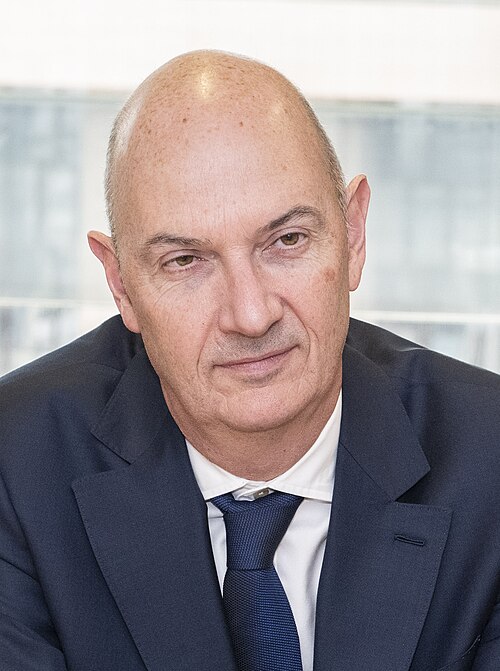 Roland Lescure
Transcription Whisper (large-v3), avec identification des locuteurs. À recouper avec la source d'origine.
Analyse automatique
Générée par IA — peut contenir des erreurs. Méthodologie
Chapitres
Répartition du ton (temps de parole politique)
Propositif 85 %Attaque 5 %Défensif 10 %
Questions et réponses
Taux de réponse directe : 94 % (directe = 1, partielle = 0,5, éludée = 0)
- 19:11OuverteRéponse directe
Quels sont les trois priorités principales abordées lors de ce G7 ?
- 19:41OuverteRéponse directe
La guerre au Moyen-Orient doit-elle se terminer au plus vite pour limiter les conséquences économiques en Europe ?
- 20:45OuverteRéponse directe
Les réunions ont-elles rappelé la nécessité de mettre fin à la guerre au Moyen-Orient ?
- 20:48RelanceRéponse partielle
Les États-Unis ont annoncé une nouvelle dérogation aux sanctions sur le pétrole russe. Êtes-vous aligné avec vos collègues du G7 sur cette extension ?
- 22:43OuverteRéponse directe
Quelles mesures domestiques précises envisagez-vous pour corriger les déséquilibres macroéconomiques ?
- 28:32OuverteRéponse directe
Quelles mesures spécifiques ont été discutées pour la sécurité alimentaire, notamment sur les engrais ?
Affirmations vérifiables (citations exactes)
- 4:49Invité politiqueChiffre
« the china surplus is not 1200 billion dollars of 20 percent of global exports »
- 6:47Invité politiqueFait
« one electric car requires 150 magnet if we don't have the rare earth we don't have the magnets »
- 7:56Invité politiqueFait
« the uncertainty is putting growth and inflation at risk »
- 14:29InvitéChiffre
« the cost of extreme weather events the economic cost has been more than 200 billion dollars last year 25 »
- 18:10InvitéPromesse
« we reaffirm our collective commitment to monetary policy ensuring price stability and anchoring inflation a target for the media term »
- 28:53Invité politiqueFait
« that was one of the u.s ids that was brought forward at the g20 in washington about a month ago »
- 33:52InvitéPromesse
« agir dans toute la mesure nécessaire pour ramener l'inflation à sa cible de 2% dans notre cas à moyen terme »
Temps de parole
- Roland Lescure50 %
- Invité21 %
- ?19 %
- Invité 22 %
≈ 146,1 interruptions / 10 min (chevauchements et interjections détectés).
Modèle mistral-small-latest · prompt v1 · les citations sont vérifiées mot pour mot dans le transcript ; le taux de réponse directe est calculé à partir des verdicts question par question. Aucun label idéologique n'est produit.
a
month
of
work and discussion and i would like to use this opportunity to thank everyone that's been involved in the process of organizing
this
meeting here in bercy
but
also making the work land thank you all
we
are at a critical moment
and
we could feel this
there
was salinity in our discussions
the
level of our discussion matched the momentum of this g7
this
meeting is about one
delivering
a message about the virtues of dialogue
and
sustainability
but
it's also about the necessity
of
taking actions
and
let me tell you something to those who question the very existence of the g7
the
last few months have proven them wrong
this
is the seventh formal g7 meeting that i was sharing since january in all sorts of
organizations
and distributions of ministers
not
only to address the situation but also to find out long-term solutions to build sustainable growth
and
i will say it again
it
is about taking actions
we
did it in march when we released the stocks
of
strategic reserves
and
at that time it had an impact on the price of oil
and
we were today again gathers to have more actions planned
those
past two days we had demanding conversations but very constructive discussions
with
the g7 finance ministers with the central banker
in
a spirit of cooperation of shared responsibility
and
in a very good working atmosphere i have to say
i
would like to give a special greeting to my colleague and friend francois bilroy galo he's not going to like the two seconds i'm going to spend on him but still but not more than two seconds not more than two seconds thank you very much for your outstanding work not only during this g7 but for decades including the last decade
at
the service of the bank of france you've played a key role in the french economy in the european economy in the global economy
thank
you very much dear francois
from
the beginning of the g7 track
we
had three main priorities to address global economic challenges one to reduce global economic imbalances two
to
work on our dependencies on critical minerals
and
three to revend international partnership
but
g7 is also about managing emergencies
thus
dealing with the ongoing crisis
and
regarding this specific crisis
we
have asked the imf and the world bank to upgrade their support to countries which are hit by the crisis
there
are
we
have the list
we
know and ajabanga and kristalina dogeva were very clear
we
don't do anything 50 million people
might
be faced with a food crisis very soon we need to act and i'll
get
back to that
because
the see the crisis has a severe impact on the most vulnerable ones we need to support them at home and abroad
we
had we have a g7 communique you probably have it already and if you don't you're going to get it very soon
but
in addition and for the first time
we
had a special focus communique on global economy and global imbalances
which
we worked on with other countries because this just g7 was not just a g7 we had special guest
we
had a session this morning very productive with brazil india kenya and south korea they contributed to the discussion
we
took major steps to take the right path towards more stability more resilience and a better understanding of our common challenges and mutual interest
and
we just had lunch with an extra set of partners from the gulf
qatar the
emirates and saudi arabia
in
which once again
we're
able to discuss the global economy but also be highly impressed
with
their resilience and their adaptability
they
are on the forefront of the crisis and we command their resilience
now
let's come back to our three main priorities first global imbalances
we
all share a common view
those
imbalances are not sustainable
they're
growing they're persistent they create unprecedented geopolitical political economic and financial tensions
they
have to stop
on
one side you have china with an excessive surplus that's growing every day on the other side the us with a major deficit and on the third side europe which doesn't invest enough and this is affecting everyone us included but also everyone else
we
have a record in this history the china surplus is not 1200 billion dollars of 20 percent of global exports
and
with concrete impacts on our daily lives
this
is about jobs this is about industry this is about affordability this is about consumption
this
situation undermines our citizens trust in globalization
in
our very model
and
this is not good news for our country including outside of the g7
we
all share common interest
at
the end of the day it's not about whose fault it is
but
how we all together address the situation
this
is multilateralism at its best
and
on this front we agreed to take urgent actions
we
shared the need to take domestic measures
based
on the analysis driven driven by the imf and the oecd
we
need to increase investments we need to improve productivity
we
need to end market distorting policies
those
measures will be tracked by the imf
alongside
with relevant international organizations such as the oecd
and
we are going to keep on engaging with other countries in order to provide our leader again with a great assessments and hopefully an action plan
by
the time avian comes
one
very good example of what is an imbalance what
an
imbalance is is the issue of critical minerals
and
as the g7 we decided to tackle this matter together
canada
started tackling this issue in the previous presidency we took it on board we've brought it further global imbalances
global imbalances mean
global dependencies
critical
materials and rare earth might be an abstract concept
to
some of you
though
they are very very special goods
it's
a very small market
but
a disruption and we've seen it over the last year on that market can cause a huge impact on
the
economy
one
electric car
requires
150 magnet if we don't have the rare earth we don't have the magnets if we don't have the magnet
we
don't have the car
therefore
a supply shock of permanent magnets can put hundreds of factories
out
of work
this
is why we decided in the g7
to
extend the critical manual alliance that canada created this time last year
in
order to
put
together a plan that's going to be very concrete on building stockpiles on traceability of value chain on structuring information sharing among us
on
mobilizing multilateral development banks and the private sector to boost investment
and
to make sure that we provide our leaders with a concrete list of projects
that
show that we can do it
regarding
dependencies the ongoing war exposed our vulnerabilities
the
conflict in the middle east is impacting our lives and global economy
on
that matter and francois will get back to that we benefited from central banks and financial stability board assessment
the
uncertainty is putting growth and inflation at risk and we know in what direction
possibly
less growth
probably
more inflation
most
vulnerable countries and your increasing energy and food prices the fertilizers and supply chain are under pressure
there
are some people some sectors some countries under stress right now
it's
cropping season a big part of the world and let us not forget that inflation and fertilizers and food
means
that some people will have difficulties to buy and or to find foods in the next few weeks and months
everyone
agrees that the top priority is to take trade flows back
to
normal
we
call for the reopening of the straight of our moose we call for lasting resolution to the continent
we
will closely monitor its impact with international organization
but
i want to be clear
the
straight of our moose needs to be open
free
of charge
we
know that the longer it takes the tougher it will be for economy and in the meantime you know that we call coordinated strategic reserve release in march
we
also agreed on avoiding non-cooperative actions such as export ban
we
do believe that targeted and temporary measures are the most effective directed to the most affected households and businesses
and
for country in need imf and multilateral development banks will continue working together
using
the full range of their tools and in line with their respective mandate
we
all agree
that
given the current situation we should try by all means to avoid a food crisis
we
want an action plan to be presented to our leaders in avion this time next month
with
the special attention to fertilizers in order to mitigate the impact of the
the
conflict
on
agricultural production and food security
time
is of the essence we must
act it
will be a joint g7 finance and development work
which
will also involve relevant international organizations such as the food and agricultural organization the international fund
the
world bank and so on
as
you know support to ukraine has been an important part of our work over the last four years
it
still is
support
to ukraine is a major commitment of our presidency and i want to reaffirm our strong and definitive support
this
is why it was important for us to convey finance minister of ukraine seri martyanko and the governor of the central bank
and
i want to make it very clear
russia
cannot benefit from the war in the middle east
this
is not an option and on this
all
g7 g7 members agree
on
ukraine we've made huge progress on closing their financing gap we are not there yet
we
are supporting them there's reform conditions we need ukraine to put their side of the story which is putting reforms in in place they are strongly committed to that
we
are strongly committed
in
maintaining and pursuing sanctions
and
pressures
on
russia
to
prevent them from getting critical revenues and financing the war effort
and
in addition
we
committed to finance the repair of the chernobyl confinement
ladies
and gentlemen before i give the floor to francois
i
would just like to reiterate that this was
an
important very important
extremely
important meeting
addressing
the major economic challenge of the 21st century i'm very well
aware
of just how important this is
my
colleagues
are
very well aware
of
just how important it is
we
know our responsibility on this critical moment
in
the face of geopolitical events
in
the face of economic imbalances
in
the face of our dependencies multilateralism is not an ideal
it's
not an option
it's
the most powerful tool
the
law of the fittest just doesn't work
we're
ending this with a shared commitment to build a more stable a more resilient a fairer global economy
the
road ahead is demanding
but
our will is even stronger
to
this end we've been working since the first day now we need to drive this momentum through to the avion summit
between
the 15th and the 17th of june thank you francois c'est à trois
and
some compliments in english
le
mot personnel il se trouve le ministre l
'a
dit que c'était mon dernier g7
je
peux dire avec le recul de onze années et donc beaucoup points de comparaison
que
le g7 de paris ce g7 de paris a été un très bon g7 et ça n'est pas seulement nous qui le disons c'est aussi nos collègues des autres pays qui étaient là
très
bon g7 ce qui m'a frappé c'est parce que les discussions intervenaient évidemment dans un moment difficile
mais
je crois qu'elles ont eu trois caractéristiques qui font le succès elles ont été sans complaisance et lucide face à la gravité de la situation face aussi au désaccord
elles
ont été libres
en
entre responsables de haut niveau
et
puis elles ont été en confiance
if
i now come to the substance and only to complement what the minister said about the outcome
may
i insist about some deliverables of what i call pragmatic multilateralism yes multilateralism is of the essence
but
we should be pragmatic in our deliverables how can we improve the life of our fellow citizens
let
me quote three examples we touched upon
first
cyber
and
we had
the
conclusion of a so-called cyber exercise and we decided to strengthen our common work among g7 facing as we all know increasing threats
second
extreme weather events
and
you will see in the communique there are at least two paragraphs on this issue which we discussed at seven
and
in a pragmatic manner again to quote one figure according to private interest
the
cost of extreme weather events the economic cost has been more than 200 billion dollars last year 25
and
this cost has increased in average through the last 30 years
of
at least five percent each year
so
the issue of insurability
fulfilling
the protection insurance gap is a key issue there are private solution of private public solutions we decided to go on working on these solutions in the g7 framework
and
third example and i pay tribute to you minister and to your team fight against financial crime
there
is a very important conference organized this afternoon but we had the gaffi in french or fatf chairwoman coming as you know fatf
was
created by the g7 in paris in 1989 it's based in paris
and
it's also
for
the good of our fellow citizens think of drug traffic drug dealers when we fight against illicit flows we endeavor to improve the life of our fellow citizens
can
i conclude with two issues we discussed more as central bankers in two dedicated sessions
i
could have mentioned also and you will see it in the derivatives of the g7 quantum computing or all our work on non-bank financial intermediation this refers to financial stability but i would like to conclude with two issues we discussed more central bankers
first
cross-border payments
and
this is also very practical progress for millions and millions of people around the globe we know that cross-border payments are
too
slow too expensive at present
we
decided to accelerate the interlinking of our fast payment system and adopted common values and prepare a practical handbook on that
we
should make cross-border payments definitely weaker cheaper and safer
and
last but not least we discussed obviously among central bankers monetary policy and global economy and here i link it directly to what you said roland
it
was in a broadened circle with our south korean indian and kenyan colleagues
we
obviously face a diversity of situation let me stress from an economic standpoint
that
there are two supply shocks happening at global level at present an energy supply shock obviously linked to the conflict and negative for most jurisdiction
but
the positive supply shock on artificial intelligence
and
the combination of these two shocks is
different
from one jurisdictions to another
but
that said
we
discussed obviously the increasing uncertainty increased by the ongoing conflict in the middle east it heightened risk as you said
to
both growth and inflation
we
discussed hate and volatility on sovereign bonds market
it
has several reasons
the
uncertainty i just mentioned including political uncertainty in some directions
some
questions on fiscal policies
but
let us be clear
fears
of inflation
and
this is for us central banks
so
we reaffirm
our
collective commitment to monetary policy ensuring price stability and anchoring inflation a target for the media term
and
this is a strong collective commitment
you
will see it in the communique monetary policy will remain data dependent
and
we are closely monitoring what we call the second round effect
on
core inflation on inflation expectations and on economic activity
we
are ready to act as much as necessary the precise answer clearly belongs to each central bank and each jurisdiction
and i
will stop there and we'll answer your questions
et
évidemment les questions français sont les bienvenus merci
george de la lidi politico du coup je vais poser ma question en français vous avez évoqué monsieur le ministre des discussions franches directes et parfois difficiles je vais demander si les réunions de hier d'aujourd'hui ont été l'occasion de de rappeler pour les européens le fait que la guerre au moyen-orient doit doit se terminer au plus vite et de parler du fait que les conséquences économiques se feront sentir davantage en europe merci beaucoup
je pense qu'il n
'y a
pas que les européens qui pensent ça nous pensons tous qu'elle doit se terminer au plus vite
on
est engagé dans un conflit difficile nous sommes évidemment tous convaincus que l'iran ne doit pas avoir accès à la bombe atomique que les enjeux balistiques doivent être traités et tout ça je dirais je le laisse à mes collègues
qui
s'occupent de géopolitique mais nous sommes tous évidemment conscients que
le
plus tôt on ouvrira le détroit d'armouz le plus tôt ce nœud économique d'un conflit géopolitique sera tranché
le
mieux on se portera tous
mais
je l'ai dit je vous le répète ça ne se fera pas à n'importe quel prix et notamment au prix de je ne sais quel ph qui contreviendrait de manière flagrante au droit international
voilà
on fait face à une réalité on est un monde avec lequel on vit et on fait tout pour en collectif
s
'assurer que les
conséquences
économiques de ce choc sont les plus limités possibles et notamment j'insiste là-dessus
pour
les plus vulnérables parce que ça a été notre focus depuis deux jours et ça le reste
bonjour
monsieur le ministre juste une question en anglais ross cullen from channel news asia you said that you were aligned
with
your g7 colleagues that russia must not benefit from the war in ukraine
the
united states has announced another waiver of sanctions on
russian
oil do you agree with that extension of the waiver if you're aligned with your g7 colleagues
and
separately also on your discussions with mr besant
did
you call again with him for the reopening of the strait of hormuz
and
did you get any sense from the united states delegation
of
their next moves in terms of the conflict
thank
you well we all agree scott besant included that we should open the strait of hormuz as soon as possible not at any cost and suddenly free of charge
uh
you know he's uh he's given us a bit of an update on the state of
the
conversation
one
of the beauties and i know it's frustrating for some of you guys of the g7 and that not everyone we say necessarily comes out of the room
i
was talking to someone who was involved in g7 a long time ago
who
said to me that at first
the
g7 was a meeting behind closed doors with seven leaders no staff no agenda no note-taking i mean we've gone much further and we're now having a press conference exchanging with you on what what what we said and the outcome we have a communique there's tons of work being done
there's
still conversations that are not going to come out because this is the beauty of the exercise
on
on the waiver on um
on
russian oil
this
is certainly not a g7 decision so i'll let you ask scott besant
why
and how they decided to do that but i can tell you that the willingness of the g7 to keep on putting pressure
on
sanctions on russia
was
unanimous
and
that nobody wants russia to have a windfall profit of what's going on
in
the middle east
lee
thomas from reuters
um
you mentioned domestic measures to address the uh the unsustainable macro imbalances what precisely do
you
have in mind and how can
having
the imf and the oecd track those make a difference and then secondly on the critical materials
um
have you sort of narrowed
uh
the options on on the common toolbox what what are the concrete steps that you're going to take going forward
so
on the
on
the global imbalances
i
think we all we all understand that uh
it's
not about finger pointing it's not about telling you should do this or you should do that and suddenly we all reply to our parliaments i don't want to go to the french parliament telling them that the g6 has told the seventh number which is me to do this and that
the
idea and i know it's
a
conversation that requires a change of mindset
not
a mindset that thinks that in every conversation there's a winner and there's a loser but that we can have conversations together where together we can win win
and
that's what the imf analysis and that's what helen reis economies group has brought to the table as well
which
is at the end of the day if each of us does the right thing
we'll
all together be better off
i
said very simply europe needs more investment
i
said very simply china needs more consumption
and
i said very simply
the
us deficit needs to go down well guess what when you talk to these people every one of us says that we should do it
the
question is
can
we have a way of doing this together
coordinating
ourselves doing it simultaneously because everyone around the table admits
that
if we do it together it's going to be more efficient
and
that requires a conversation that hasn't happened yet there's been
lots
of bilateral discussions
the
president would like to my president emmanuel macron would like to engage with all the actors and uh including china that wasn't here today but also brazil india
some
countries of africa europe the us and others canada and others
to
make sure that together we can find a road map
and
uh hopefully this is going to happen between nine of young we're not there yet but we had great productive conversation on this
on
on the raw material and and critical mineral acts
the
way i would describe the lego we tried to build
is
threefold
one the
international energy agency was created in the 70s faced with at that time a big old shock
that
made us realize that we didn't have the tools to follow the market
to
understand where inventories were to understand where vulnerabilities were so we want to be able together
as
a g7 to follow that market
we're
probably going to call that a task force the idea is not to build a new agency the iea is doing a great job the ocd is doing a great job but we want to be able to monitor the market to understand them
to
understand where stockpilings are where stockpilings are missing to make sure that we are able as a group to say okay market's okay no need
to
act or the market's not okay and there's one of those markets where we need to act
two
there's discussions on agreements that could take different ways that are taking place at the initiative of the us
that
could look at different ways and tools of addressing market inefficiencies there could be price floors there could be tariffs there could be
quarters
and this is an ongoing work that hasn't completely landed yet
but
three i think most importantly
we
need to show that together we are able to change the conversation make things happen on the ground that are changing the balance of power
for
those rare earths that are becoming critical
to
electrification
two
weeks ago i was in the southwest of france
looking
at a factory that's been financed by us japan and france that's going to recycle and produce 10 percent of the rare earth we need in the world
in
po in lack in the southwest of france and those 10 percent are going to be half of taken
by
japan this is again what you call francois multilateralism on the ground pragmatic materialism we are showing the ground that we can
produce
alternative to a market for which it has to be acknowledged we have a monopoly today from one country
if
i may add one word on the part of the question referring to domestic measures if i got it right lily
there
was unanimous agreement around the table that such measures should be you remember the
the
famous triple t
targeted
temporary and tailored
uh
unanimous agreement
can
i add two practical observations first so far and the imf has an imf tracker measures taken past jurisdictions i don't say they all perfectly comply with the free t's
but
such measures are much more limited that after 22
and
rightly so
if
you look at the quantum compared to gdp
and
may i add mr minister a remark for france as a very independent central banker
so
far
i
think the sober answer by the french authorities is welcome in this period because we all know if we don't respect the triple t it creates fiscal problem obviously but
it
was reminded yesterday it increase oil demand globally
and
this is exactly the contrary of what we should do
yeah
thank you so much uh susumu sakamoto from the asahi shimbun japanese media
regarding
the food security um have you discussed any specific measures including uh
setting
the corridor for fertilizer uh
uh or
uh yeah
yeah
i mean as you know that was one of the u.s ids that was brought forward at the g20 in washington about a month ago this is one of the options we could look at
we
have to make sure that
the
most vulnerable countries its cropping season there cannot be durably affected by the crisis on fertilizers so this could be one of the options there's other options in terms of a
diversification
of supply and maybe stop depiling that could happen as well
but
we certainly are willing to do whatever it takes to make sure that no food crisis is coming after this girl
yeah
we
romain
tardino for journal sps ct bonjour monsieur le ministre bonjour monsieur le gouverneur j'ai une question pour vous en fait
il
y
a
deux semaines vous disiez que
le
kérosène n'allait pas être à risque
le
conflit s'enlise
qu
'en est il aujourd'hui
j
'ai la même réponse qu'il
y a
deux semaines heureusement
on
suit les choses évidemment de très près mais quand on regarde le marché du kérosène en europe en france singulièrement puisque c'était
la
réponse à une question qui m'était posée il ya quinze jours à l'occasion de l'évocation de la saison touristique de cet été
le
fait qu'on ait augmenté nos capacités de raffinage le fait qu'on ait diversifié nos approvisionnements notamment en provenance des états unis qui eux mêmes ont augmenté leur production de kérosène
fait
que nous sommes confiants sur notre capacité collective cet été à s'assurer que les avions puissent voler en france de france et vers la
france bonjour
mathilde de ennemis france inter de questions pour chacun d'entre vous monsieur le ministre bien que vous repreniez en quoi cette réunion du g7 va permettre de temporiser les conséquences de la crise actuelle pour nos sociétés
et
monsieur le gouverneur est ce que le fait d'avoir vu tous les banquiers centraux vous a permis d'arrêter une décision ou des avancées en vue de des réunions futures de juin sachant que tout le monde avait décidé de temporiser
et
puisque vous parliez d'indépendance tout à l'heure de la banque centrale petite question franco française puisque les députés socialistes ont choisi de ne pas soutenir emmanuel moulin en commission est ce que vous pensiez que votre succession serait si compliqué merci
je
vais commencer
au
nom de l'heure au ministre
bon
le face à une crise globale le g7 a une fois de plus montré son
son
intérêt
à
la fois je dirais entre nous sept
mais
aussi au delà
les
discussions qu'on a eu avec nos amis kenyans nos amis indiens nos amis brésiliens puis avec nos amis du golf
au
déjeuner nous ont montré
que la
meilleure manière de gérer cette crise c'était de se concentrer sur les plus vulnérables
des
mesures à taille unique qui concernerait tout le monde y compris ceux qui n'en ont pas besoin que ce soit des secteurs que ce soit des ménages
que
ce soit des pays
serait
évidemment une mauvaise manière de répondre à cette crise pourquoi
c
'est ce qu'on appelle une crise d'offre un choc d'offre
on
manque du jour au lendemain d'une partie du pétrole mondial
et
si on répond globalement en subventionnant massivement la demande on va se retrouver avec un déséquilibre encore plus marqué
est
donc ce consensus autour de notre capacité collective à identifier les plus vulnérables
et
à
diriger
nos mesures vers eux c'était évidemment un des éléments concrets de ce de ce g7
mais
deux surtout
nous
avons avec le fmi avec la banque mondiale identifié ces plus vulnérables
et
nous avons en tête un certain nombre de pays
aux
côtés duquel il va falloir être de manière très concrète avec des instruments qui existent
au
service du fonds monétaire et de la banque mondiale
pour
les aider
on
a des pays aujourd'hui l'irac par exemple
qui
est un pays qui dépend cruellement de ses ressources de pétrole et qui aujourd'hui est évidemment incapable de les exporter
nous
devons focaliser nos mesures sur le soutien à l'irac évidemment le fonds monétaire et la banque mondiale travail donc de manière très concrète aujourd'hui au delà des enjeux de sécurité alimentaire dont je parlais tout à l'heure ce g7 nous a permis
de
prioriser
de
séquencer et de focaliser notre aide sur ceux qui en ont le plus besoin
sur
vos deux questions je vais commencer par la dernière vous n'allez pas être surpris par ma réponse
concernant
la nomination de mon successeur il ya une procédure qui est prévue par la constitution et les lois de la république elle se déroule laissons la se dérouler et effectivement il ya les auditions parlementaires demain
la
banque de france n'a fait aucun commentaire ni votre serviteur depuis début de cette procédure elle n'a pas à en faire
alors
en ce qui concerne la politique monétaire et les rencontres entre banquiers centraux nous n'avons pas eu je les dis tout à l'heure de discussions pays par pays ou région par région concernant la zone euro
il
se trouve que je ne participerai pas étant parti à la prochaine réunion des conseils des gouverneurs de début juin à laquelle vous faites allusion
je
veux simplement redire deux choses
la
première c'est la volonté générale je le rappelais tout à l'heure d'agir dans toute la mesure nécessaire
pour
ramener l'inflation à sa cible de 2% dans notre cas
à
moyen terme
ça
veut dire agir et non pas sur réagir ça veut dire disposer des informations en ce qui concerne les effets de second tour l'inflation sous jacente
les
anticipations d'inflation notamment des ménages et des entreprises les salaires
mais
nous serons prêts à agir comme il le faut parce que nous avons une obligation de résultat
les
ménages et les entreprises français et européens peuvent nous faire confiance pour assurer cet ancrage de l'inflation à 2% je le redis très fortement
l
'autre chose si vous me permettez une remarque un peu plus spécifique sur le débat européen mais je n'irai pas plus loin
je
crois qu'il faut pas focaliser le débat seulement sur le calendrier
vous
permettez de le dire avec un sourire quand on était au mois d'avril c'était qu'est ce que vous allez faire 20 avril maintenant c'est qu'est ce que vous allez faire début juin
je
vais le dire en anglais parce que ceci prête mieux the main question is not about the date it's about data
pas
un calendrier mais des données
j
'ai dit à l'instant quels sont les éléments de notre fonction de réaction liée au second tour
après
ça sera au conseil des gouverneurs les 9 et 10 juin de décider selon ces données
on
prend une dernière question peut-être
bonjour
merci beaucoup marie vienneau france culture est ce que vous avez parlé puisque vous nous dites que tout le monde était d'accord pour dire que le multilatéralisme vraiment c'était la solution est ce que vous avez parlé du commerce et notamment de la politique américaine qui n'a pas été très coopérative l'année dernière est ce que c'est un sujet qui a été abordé et quelles solutions vous vous y voyez et quand vous nous parlez d'action concrète vraiment où il faut qu'on n'est tu take action tout ce que vous dites etc donc là vous nous donnez l'exemple par exemple de de l'aide du fmi et des pays qui pourrait mais est ce que vous avez d'autres exemples à nous donner puisque vous parlez notamment des engrais que c'est la saison où justement on en a besoin et est ce qu'il faut attendre le g7 déviant en juin pour avoir vraiment la traduction concrète de ce que vous nous dites ou déjà aujourd'hui il ya des choses qui ont été décidées ou alors en fait ce que vous nous amorcer tout ce qui va être concret en juin
merci peut
-être pour répondre de manière un peu simpliste peut-être à votre question l'idée de ce g7 finance c'était un peu de faire la part de la passe décisive à nos à nos leaders
c
'est vrai qu'un certain nombre de sujets importants sont en passe d'être finalisé
mais
que parce que le président de la république a souhaité que ces sujets soient abordés au plus haut niveau
parce
qu'il concerne des sujets extrêmement important parce qu'il concerne aussi l'avenir du monde nous avons je pense pas mal avancé le travail de manière à ce que nos leaders puissent je l'espère en tout cas le conclure sur des sujets aussi important très concrètement que les minerais critiques
que
le règlement des déséquilibres globaux qui peut parfois paraître un peu théorique
mais
si la france a perdu des dizaines d'usines ces 30 dernières années c'est du fait de ces déséquilibres globaux si aujourd'hui les marchés financiers
ne
peut pas dire qu
'ils
nous inquiètent mais en tout cas ils nous occupent et parfois même ils nous préoccupent c'est en grande partie du fait de ces déséquilibres globaux donc il est important évidemment d'avoir tout ça en tête et les leaders trancheront
sur
le commerce international
bon
d'abord je suis pas sûr que tout le monde considère que multilatéralisme soit la solution à tout ça c'est ma conviction je pense que cette réunion a montré qu'effectivement sur tous les sujets au fond
plus
on parle mieux on est et je pense y compris d'ailleurs les états unis qui nous ont par exemple remercier quand on a libéré les stocks stratégiques au mois de mars de manière collective reconnaissent quand même que parfois ça peut aider
est
ce que ça veut dire qu'on est d'accord sur tout non
sur
le commerce international c'est une des questions que vous évoquez évidemment nous ne sommes pas d'accord
et
dès qu'il faut rappeler à que je suis pas d'accord avec lui sur l'utilisation des tarifs dans la correction des équipes globaux
je
vous rassure
je
le fais
mais
une fois qu'on essaie des accords notre capacité collective à trouver des lieux où on peut se mettre d'accord où on peut avancer ensemble on peut même parfois essayer de se convaincre qu'on peut avancer ensemble sont évidemment les bienvenus c'est pour ça que le g7 avait été créé dans les années 70 à un moment d'un autre
choc
pétrolier à un moment d'un autre conflit mondial
on
continue à le faire et je suis très heureux de voir que au fond ça fonctionne
merci
beaucoup
merci
à tous on continue avec la
la
conférence nos monnaies for terror une conférence très importante
françois
l'a dit on a de manière très concrète au coin de nos rues souvent des matérialisations très réelles on a 75 délégations présentes ici
pour
s'assurer que le financement illicite des activités illégales
ne
soit plus dans le monde y compris avec les outils modernes merci
pour
la pour la suite for the next steps just so if you want to go to the briefing just after you can follow juliette in the meeting room where you are gathered if you want to go to the doorstep of the nmft conference for the doorsteps you can follow elvir over there which is at the entry ok
if
you want to for the briefing
we
will send you the
the
text so if you are not here you will have the text